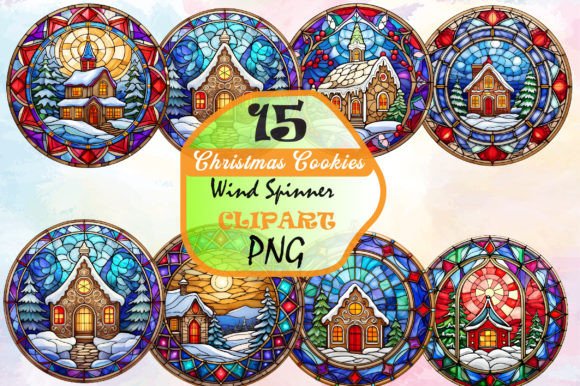
Watercolor Christmas Cookies Clipart PNG for Illustrations
As a digital publisher who has spent years refining the visual identity of content websites, I know that first impressions are not just about copy—they are about texture, mood, and immediate recognition. When evaluating a graphic design asset for editorial use, I look beyond simple aesthetics to ask: does this image build trust? Does it support the brand voice? And will it perform well across diverse screen sizes?
This review focuses on the Watercolor Christmas Cookies Clipart PNG, a seasonal illustration set designed to bring warmth and artistic flair to your publishing workflow. For bloggers, affiliate marketers, and small business owners preparing holiday content, understanding how this asset integrates into real-world layouts is crucial for maintaining a polished, professional appearance.
The Editorial Mood and First Impression
The moment you place this clipart onto a blank canvas, it establishes a distinct narrative. The watercolor style inherently suggests softness, nostalgia, and handmade charm. Unlike flat vector graphics which can feel sterile or overly corporate, this Illustrations collection feels organic and approachable. It creates an editorial mood that is cozy, festive, and inviting.
For content creators in niches such as lifestyle blogging, home decor, parenting, culinary arts, or DIY crafts, this visual language aligns perfectly with reader expectations. It signals to the audience that the content is personal and curated. In the context of content marketing, this emotional connection is vital. A reader scrolling through a feed is more likely to pause on imagery that evokes comfort and tradition, especially during the high-traffic holiday season.
The color palette typically found in these watercolor assets—soft reds, muted greens, creamy whites, and gold accents—offers a sophisticated alternative to the neon-bright graphics often seen in low-quality affiliate marketing. This elevates the perceived value of your website, suggesting that the content within is equally high-quality.
Integrating Assets into Real Publishing Workflows
A design asset is only as good as its application. Here is how the Watercolor Christmas Cookies Clipart PNG fits into specific, high-impact areas of a modern content strategy:
- Pinterest Pins and Social Media Graphics: Pinterest is a visual search engine where aesthetics drive traffic. These cookies provide a strong focal point for pins promoting holiday recipes, gift guides, or printables. The transparent PNG format allows you to layer text overlays easily without clashing backgrounds, ensuring your message remains clear while the art adds character.
- Newsletter Headers and Banners: Email open rates depend heavily on subject lines, but click-through rates rely on the body content. Using these illustrations in your monthly newsletter creates a cohesive brand experience. They break up text blocks and add a celebratory touch that encourages readers to engage with your offers.
- Digital Guides and Lead Magnets: If you are creating a downloadable PDF, such as a "Holiday Hosting Checklist" or a "Cookie Decorating Guide," these images serve as excellent internal dividers or cover art. They transform a standard document into a premium digital product that users feel proud to download and share.
- Blog Featured Images: Your featured image sets the tone for the entire post. Replacing generic stock photos with custom-designed watercolor elements helps your site stand out in search results and social shares. It reinforces your brand identity as a creative and detail-oriented publisher.
- Canva Templates: For creators who use Canva to batch-produce content, having these PNGs in your upload folder streamlines the design process. You can quickly create consistent Canva templates for Instagram stories, blog headers, and YouTube thumbnails, saving hours of design time while maintaining a professional look.
Impact on Content Performance and Reader Trust
Why does this matter for your bottom line? Visual consistency builds authority. When a website looks cluttered or uses low-resolution images, readers subconsciously question the credibility of the information provided. Conversely, a site with thoughtful editorial design fosters trust.
Using high-quality creative design elements like these cookies supports several key performance metrics:
- Stronger First Impression: Professional visuals immediately communicate that you invest in your craft.
- Clearer Visual Hierarchy: Well-placed illustrations guide the eye toward calls-to-action (CTAs), improving navigation.
- Better Click-Through Potential: Eye-catching, aesthetically pleasing images increase engagement on social platforms and email campaigns.
- Improved Brand Recognition: Consistent use of a specific artistic style helps audiences identify your content instantly in their feeds.
In the realm of affiliate marketing, where trust is the currency, looking professional reduces friction. Readers are more likely to click on your product recommendations if the surrounding environment feels safe, polished, and intentional.
Strategic Placement: Where It Shines and Where to Pause
To maximize the utility of this asset, you must understand its limitations as well as its strengths. Not every layout benefits from decorative flourishes.
Best Use Cases:
- Hero Images: Large, full-width banners at the top of landing pages or holiday posts.
- Editorial Accents: Small icons used to bullet-point lists or highlight tips within long-form articles.
- Category Thumbnails: Visual identifiers for sections like "Recipes," "Decor," or "Gift Ideas."
- Downloadable Resources: Cover pages for worksheets, planners, or coloring sheets.
Areas for Caution:
- Small Mobile Thumbnails: On very small screens, intricate watercolor details may become muddy or indistinguishable. Test these images at thumbnail size to ensure they remain recognizable.
- Text-Heavy Blog Images: Avoid placing these behind dense paragraphs of text. The soft edges of watercolor can reduce readability if the contrast is not carefully managed.
- Serious Professional Niches: If you are writing for a strictly corporate finance or legal audience, this playful aesthetic may undermine the seriousness of your topic. Reserve it for lifestyle, creative, or consumer-focused content.
- Busy Layouts: If your website already features many colorful elements, adding more complex illustrations can create visual noise. Balance is key.
Practical Publisher Notes for Implementation
Before uploading these files to your media library, consider the following technical and strategic checks:
Test Across Devices: Always preview your design on both desktop and mobile screens. Ensure the clipart scales correctly and does not distort when resized for different aspect ratios.
Check Contrast and Readability: Place your headline text over the image. If the background colors compete with the font, adjust the opacity of the image or add a subtle overlay to improve legibility. Remember, visual hierarchy dictates that text must always be readable.
Font Pairing: Experiment with typography. These watercolor images pair beautifully with serif fonts for a classic, editorial look, or with handwritten/script fonts for a personal, friendly vibe. Try them beside sans-serif fonts for a modern, clean contrast.
File Size and Performance: Web performance is critical for SEO. Even though these are PNGs, large file sizes can slow down your page load times. Compress your images using tools like TinyPNG before uploading to ensure fast loading speeds without sacrificing visual quality.
Licensing Verification: Finally, confirm the commercial license terms. As a publisher, you need to know if you can use these assets on monetized websites, in paid newsletters, or for affiliate promotions. Most reputable marketplaces allow commercial use, but it is essential to verify this to protect your business from potential copyright issues.
By treating your graphic design assets with the same care as your written content, you create a holistic user experience that delights readers and drives results. The Watercolor Christmas Cookies Clipart PNG is more than just decoration; it is a tool for building a warmer, more engaging digital presence during the most competitive season of the year.