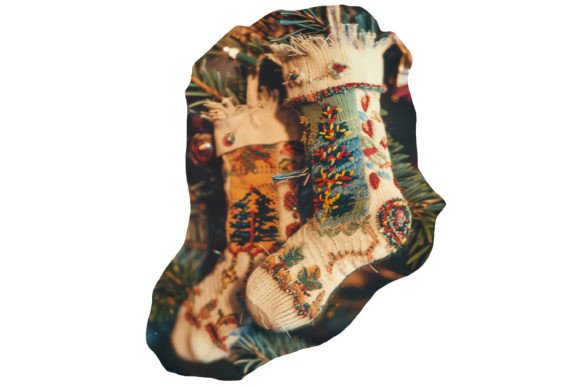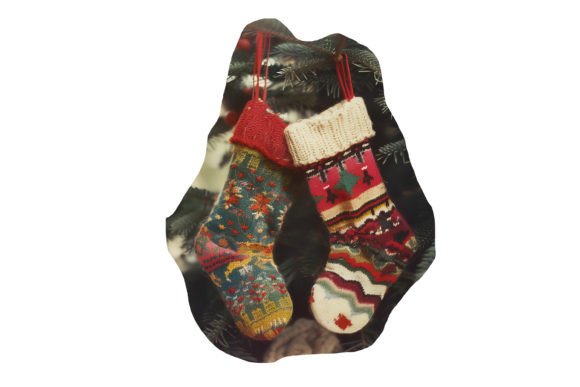
Christmas Stocking Silhouette Isolated
When I sit down to evaluate a new embroidery design, my first instinct is always practical. I am not looking for flashy gimmicks or overly complex digitizing that might frustrate a home machine operator. Instead, I am looking for clarity, balance, and versatility. This is especially true when the subject matter is as ubiquitous as holiday imagery. The Christmas Stocking Silhouette Isolated caught my eye not because it reinvents the wheel, but because it understands the power of negative space and clean lines. As a designer who frequently creates assets for small businesses and personal clients, I see this type of illustration as a foundational piece—a workhorse rather than a show pony.
The First Impression: Mood and Visual Personality
At first glance, the Christmas Stocking Silhouette Isolated feels crisp and modern. It avoids the cluttered, ornate style that often plagues generic holiday clip art. By isolating the silhouette, the design forces the viewer to focus on the shape itself—the classic curve of the toe, the fold at the cuff, and the overall proportion. This minimalism is a strength in embroidery. Complex illustrations with too many internal details can become muddy after stitching, especially if the thread colors do not contrast sharply enough.
The mood created here is one of nostalgic simplicity. It evokes the feeling of a quiet morning by the fireplace or the anticipation of a gift. For an embroidery project, this translates to a design that feels timeless rather than trendy. It does not scream for attention; instead, it invites the maker to play with texture, fabric choice, and thread selection. Whether you are planning a custom apparel line or a set of personalized gifts, this silhouette provides a versatile canvas that works across various aesthetic styles, from rustic farmhouse to sleek contemporary.
Real-World Application: From Digital File to Finished Product
To truly understand the value of a design asset, you have to imagine it on actual products. Let’s look at a few scenarios where the Christmas Stocking Silhouette Isolated shines.
Imagine you are preparing inventory for the holiday season as an Etsy seller. You decide to create a line of embroidered tote bags. A large, bold stocking silhouette centered on a canvas tote is striking. Because the design is isolated, you can easily adjust the scale without worrying about awkward cropping. If you use a high-quality cotton twill thread in a deep burgundy or forest green against a natural beige bag, the result is sophisticated and professional. It elevates a simple tote into a boutique-level accessory.
Consider another use case: baby embroidery. Parents love personalized items for nurseries and baby showers. Here, the silhouette can be scaled down significantly. Embroidered onto a soft muslin blanket or a onesie, the clean lines ensure that even small stitches remain distinct. The isolation allows you to add delicate monograms inside the body of the stocking without visual competition. This kind of thoughtful integration increases the perceived value of your handmade product.
For commercial embroidery projects, such as branded merchandise for local businesses, this design offers flexibility. A coffee shop might offer limited-edition aprons featuring the stocking silhouette during December. The lack of intricate internal detail means the design reproduces well on different fabric types, including the slightly textured cotton blends often used in kitchen towels and aprons. It ensures brand consistency across multiple product types.
Technical Considerations and Stitch Performance
As an experienced reviewer, I must address how this design performs under the needle. The success of any machine embroidery design depends heavily on stitch density and placement. Since the Christmas Stocking Silhouette Isolated is primarily a shape-based illustration, its performance will largely depend on how you choose to fill it.
If you opt for a solid fill, you need to ensure the stitch density is appropriate for the fabric. On heavier fabrics like denim or felt, a standard density works well. However, on lighter fabrics, you may need to increase the density slightly to prevent the backing material from showing through. Conversely, if you plan to use appliqué techniques, this silhouette is ideal. The clean outer edge makes cutting and stabilizing the appliqué fabric much easier, resulting in a polished finish.
Pay close attention to the corners and curves. In a stocking silhouette, the top cuff area often contains the most visual interest. Ensure that your digitizing software has converted these curves into smooth satin stitches or carefully spaced running stitches. If the curves are jagged, the final finished product will look amateurish. Testing the design on scrap fabric is non-negotiable. It allows you to check for puckering, thread breaks, and tension issues before committing to expensive materials.
Where to Use It Carefully
While this design is versatile, there are situations where caution is advised. Avoid using it on highly textured fabrics like chunky knits or bouclé unless you are an advanced user. The uneven surface can cause the hoop to slip or result in inconsistent stitch placement. Similarly, on stretchy fabrics like jersey knit, you must use a strong stabilizer to prevent distortion. The weight of the embroidery threads can pull the fabric out of shape if not properly supported.
Another area to watch is small hoop sizes. While the design is scalable, shrinking it too much can eliminate the subtle nuances of the shape. If you are creating tiny decorative accents or patches, ensure that the minimum size still retains the recognizable form of a stocking. Tiny lettering or fine details added to the design should also be evaluated for legibility after stitching.
Impact on Brand and Customer Perception
In the world of handmade goods, presentation is everything. The Christmas Stocking Silhouette Isolated contributes positively to brand consistency because of its clean, professional look. Customers associate clear, well-executed embroidery with quality craftsmanship. When a buyer sees a perfectly stitched silhouette on a sweatshirt or a pillow cover, they trust that the maker paid attention to detail.
This design also enhances giftability. Holiday gifts are often about sentiment and tradition. A stocking silhouette taps directly into those emotions. It is instantly recognizable and universally appealing. For craft business owners, this means higher engagement and potentially faster sales during the peak holiday season. It is a safe yet stylish choice that appeals to a broad audience.
Practical Designer Notes for Implementation
Before you upload this file to your embroidery machine, follow these steps to ensure success:
- Test on Scrap Fabric: Always run a test stitch-out to check tension and alignment.
- Check Thread Contrast: Ensure the thread color stands out against your chosen fabric. Light threads on light fabrics can disappear.
- Review Stitch Density: Adjust density settings if necessary for your specific fabric weight.
- Confirm Hoop Size: Make sure your hoop accommodates the design size plus any additional spacing you need.
- Inspect Small Details: Zoom in on the digital file to ensure no critical lines are too thin to stitch.
- Test Black and White Mockups: View the design in grayscale to check for balance and visual weight.
- Compare Backgrounds: Test the design on both light and dark backgrounds to see how it performs in different contexts.
- Use Proper Stabilizer: Choose a cut-away or tear-away stabilizer based on the fabric type.
- Verify Licensing: Confirm whether you have the rights to sell finished items made with this digital embroidery file.
By approaching the Christmas Stocking Silhouette Isolated with these practical considerations in mind, you can transform a simple illustration into a valuable asset for your creative portfolio. It is a testament to the fact that sometimes, less is more. The clean lines and classic shape provide a reliable foundation for beautiful, marketable embroidery projects that resonate with customers and showcase your skills as a designer.