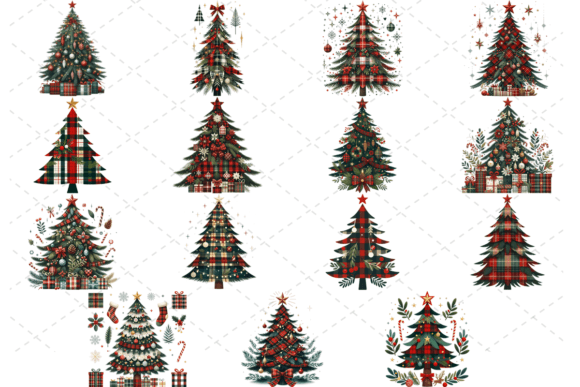
Christmas Plaid Trees Review
As a designer who spends more time looking at stitch lines and fabric grain than actual Christmas trees, I approach every new design asset with a healthy dose of skepticism. The market is flooded with generic holiday motifs, so finding something that balances aesthetic charm with technical viability for embroidery is rare. That is exactly why I decided to put the 15 Christmas Plaid Trees PNG Bundle through its paces. I didn’t just look at the preview images; I imagined them on fabric, under the needle, and ultimately in the hands of a customer.
The first thing that strikes you about this bundle is the mood. It isn’t trying to be overly traditional or stiffly formal. Instead, it captures that cozy, rustic vibe that dominates modern holiday decor. The plaid patterns integrated into the tree silhouettes suggest warmth and tradition without feeling dated. For an Illustrations category product, these files offer a distinct visual personality that stands out against the usual snowflakes and reindeer. But does it translate well to thread? Let’s dive into the practical realities of using this machine embroidery design concept for real-world projects.
First Impressions and Visual Appeal
When I first opened the files from the 15 Christmas Plaid Trees PNG Bundle, my immediate thought was about versatility. The shapes are clean, which is crucial for any embroidery file that intends to move beyond digital screens. The plaid elements provide excellent texture potential. In embroidery, we often rely on fill stitch to create solid areas of color, but here the pattern suggests a more complex visual layering. This isn’t just a solid block of green; it’s a graphic representation of fabric within fabric.
This duality makes the design highly effective for custom apparel. Whether you are working on a sweatshirt or a tote bag, the eye is drawn to the interplay between the tree shape and the checkered pattern. It feels intentional and curated, which elevates the perceived value of the final handmade product. Customers can tell when a design has been thoughtfully constructed versus slapped together with basic shapes. This bundle clearly falls into the former category, offering a professional finish right out of the gate.
Real-World Application: From Screen to Stitch
I envision this design shining in several specific niches. First, let’s talk about tote bag design opportunities. A sturdy canvas tote embroidered with one of these plaid trees becomes an instant holiday accessory. The boldness of the plaid holds up well on textured fabrics like canvas or denim, where finer details might get lost. It creates a striking contrast that works beautifully for Etsy seller listings targeting shoppers looking for unique, non-mass-produced gifts.
Another strong candidate is sweatshirt embroidery. During the winter months, comfort wear is king. Placing a medium-sized version of this design on the chest or back of a fleece-lined hoodie taps into the "hygge" aesthetic that is currently very popular. The plaid motif complements the softness of the fabric, creating a cohesive look. For small shop product creators, this is a low-risk, high-reward item because it appeals to a broad demographic—from college students to parents buying family matching sets.
I also see significant potential in home decor, specifically pillow covers and kitchen towels. A set of two or four pillowcases featuring different variations from the 15 Christmas Plaid Trees PNG Bundle would make a stunning centerpiece for a holiday table or a cozy living room setup. The repetitive nature of plaid translates nicely to larger surface areas, allowing the design to breathe without overwhelming the space. For commercial embroidery businesses, these designs can be scaled effectively across various merchandise types, from aprons to tea towels, ensuring brand consistency across a product line.
Technical Considerations and Fabric Choices
While the visual appeal is undeniable, any seasoned embroiderer knows that beauty doesn't always equal functionality. When planning to use these designs, you must consider the stitch density. Plaid patterns often require precise alignment of threads to maintain the checkered illusion. If the stitch density is too high, the fabric may pucker, especially on lighter materials. I recommend testing the design on scrap fabric first to ensure the machine handles the transition between different stitch types smoothly.
Fabric choice is equally critical. These designs perform best on stable, woven fabrics. Cotton blends, linen, and canvas are ideal choices. However, caution is advised when working with stretchy fabric or thin materials like silk chiffon. Without proper support, the tension required for the detailed plaid sections could distort the garment. Always use a reliable stabilizer appropriate for your fabric weight. For knit fabrics like those used in cap embroidery or baby embroidery, a cut-away stabilizer is often necessary to prevent shifting during the stitching process.
Thread color selection will also impact the final outcome. The plaid effect relies on contrast. If you choose thread colors that are too similar in tone, the intricate details may blend together, losing their definition. I suggest experimenting with classic combinations—forest green with red checks, or navy blue with cream—to enhance the visibility of the pattern. Additionally, inspecting small details in black and white mockups can help you gauge the contrast levels before committing to expensive specialty threads.
Where to Exercise Caution
Not every project is a good fit for this design. Be wary of attempting to stitch this on curved surfaces like baseball caps unless you have extensive experience with multi-position hooping. The complexity of the plaid pattern requires a flat, stable plane to execute correctly. Similarly, avoid using this design for tiny accents on children's clothing where safety and durability are paramount. Small, dense stitch areas can become rigid and uncomfortable against sensitive skin.
Furthermore, if you are designing for products that need frequent washing, such as kitchen towel sets or daily-use aprons, ensure that the design is anchored securely. Loose ends or poorly executed satin stitch borders can fray over time. While the 15 Christmas Plaid Trees PNG Bundle provides excellent graphics, the longevity of the finished product depends largely on your finishing techniques. Reinforcing edges and trimming excess backing carefully will go a long way in maintaining a professional appearance.
Final Verdict for Designers and Sellers
Overall, the 15 Christmas Plaid Trees PNG Bundle is a robust addition to any designer’s toolkit. It offers a perfect balance of seasonal charm and technical feasibility. For craft business owners looking to expand their holiday inventory, these designs provide a versatile foundation for creating personalized gift items that resonate with buyers. The clear shapes and engaging patterns make them suitable for both digital product sellers creating mockups and physical makers producing tangible goods.
Before diving into production, remember to verify the licensing terms associated with the bundle. Ensure you have the rights to sell finished items if that is your goal. Also, take the time to test the embroidery project on your specific equipment. Every machine behaves slightly differently, and understanding how your particular model handles the running stitch and fill stitch combinations in these files will save you time and material waste.
In conclusion, this bundle delivers on its promise of providing high-quality, aesthetically pleasing designs that are ready for real-world application. It is not just another clip art pack; it is a strategic asset for anyone serious about creating standout holiday merchandise. Whether you are updating your Etsy listing or preparing for a craft fair, these plaid trees offer a reliable way to capture the festive spirit while showcasing your craftsmanship.