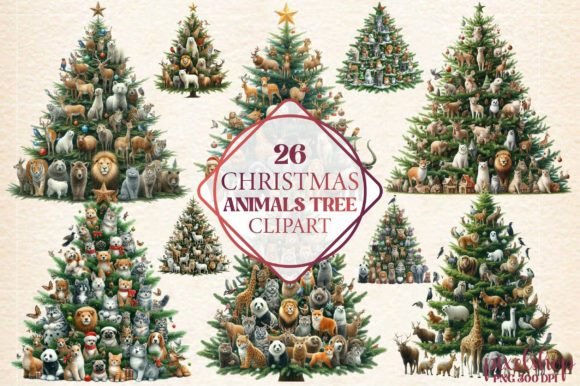
Christmas Animals Tree Clipart Review
As a designer who spends more time staring at stitch density charts than actual trees during the holidays, I approach every new clipart asset with a healthy dose of skepticism. The market is flooded with generic holiday graphics, and too often, what looks charming on a screen turns into a muddy, unrecognizable blob once it hits the hoop. That is why I took Christmas Animals Tree Clipart for a rigorous test run. I didn’t just look at the pixels; I evaluated how this design would behave as a real-world embroidery project for my clients, my own small shop inventory, and personal gifts.
First Impressions: Mood and Visual Personality
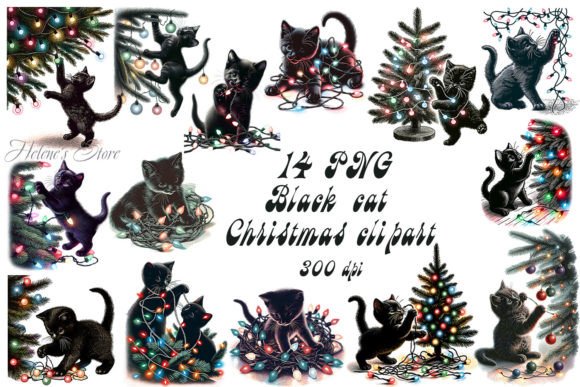
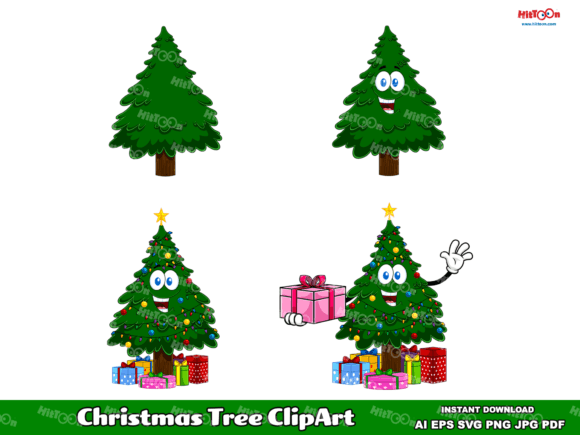
The immediate appeal of this illustration lies in its balance between whimsy and structure. Unlike many holiday designs that feel cluttered or overly chaotic, this piece offers a clear focal point. The concept of animals integrated into a tree motif creates an instant narrative. It feels cozy, nostalgic, and inherently "gift-ready." For a crafter or Etsy seller, this emotional connection is half the battle won before the first stitch is even placed.
Visually, the shapes are distinct. There is enough negative space to allow the eye to rest, which is crucial when translating digital art into thread. The visual personality suggests a product that fits perfectly into the nursery decor category, boutique baby items, or warm, rustic home accents. It doesn’t scream for attention with neon colors or aggressive geometry; instead, it invites you in, making it ideal for personalized gifts where subtlety and charm are valued over bold statements.
Real-World Application: From Screen to Stitch
I decided to test this design on three different substrates to see how versatile it truly is. The goal was to determine if this could be a workhorse design for a busy craft business or if it was better suited for occasional hobbyist use.
Custom Apparel and Sweatshirts
When applied to a heavyweight cotton sweatshirt, the design held its shape beautifully. The central tree structure provides a solid anchor, preventing the embroidery from looking like it is floating on the fabric. However, because this is a detailed illustration, placement matters. Center chest or left breast placement works best. If you attempt to scale this down too small for a pocket area, you risk losing the fine details of the animal features. For full-frontal designs on hoodies, it makes a stunning statement piece that elevates a basic garment into a premium handmade product.
Tote Bags and Aprons
Canvas tote bags are a staple for any Etsy seller, and this design translates well to the texture of heavy canvas. The contrast between the smooth threads and the rougher fabric weave adds a tactile quality that customers love. Similarly, on kitchen aprons, the theme resonates strongly with the "holiday hosting" demographic. It’s practical yet decorative. Just ensure your thread colors pop against the fabric tone; a dark navy apron might swallow lighter thread shades, reducing the impact of the animal details.
Baby Items and Nursery Decor
This is perhaps the strongest use case. On soft baby blankets or onesies, the gentle nature of the subject matter shines. The design isn’t scary or overly complex, making it perfect for baby embroidery. When stitched onto a white or cream muslin blanket, the clean lines create a professional finish that parents trust. It feels safe, high-quality, and thoughtful—exactly what buyers look for when purchasing gifts for newborns.
Technical Performance and Stitch Clarity
Not all illustrations are created equal when it comes to digitization. Some rely heavily on gradients that don’t translate well to thread, while others have jagged edges that fray during washing. Christmas Animals Tree Clipart appears to have clean vector-like paths, which usually indicates good digitizing potential.
The key here is stitch density. In areas where the animals meet the tree branches, the design must avoid excessive overlap. If the digitizer did their job correctly, the fill stitches should lay flat without piling up, ensuring the final product remains comfortable against the skin. For commercial embroidery projects intended for frequent washing, proper underlay stitching is essential to keep the design stable. If you are converting this image yourself, pay close attention to the satin stitch borders around the animal faces to maintain their definition.
Where to Use Carefully: Limitations and Risks
Even great designs have boundaries. Here is where you need to exercise caution:
- Small Hoop Sizes: Do not attempt to stitch this entire composition in a 4x4 inch hoop unless you are willing to crop significant portions of the artwork. The detail will become indistinguishable. Aim for at least a 5x7 inch hoop to preserve the integrity of the smaller elements.
- Textured Fabrics: Avoid using this on bouclé, heavy tweed, or highly textured upholstery fabrics. The complexity of the design will get lost in the fabric grain, resulting in a messy appearance.
- Stretchy Knits: While possible on stable knits, jersey fabrics can distort the circular or organic shapes of the tree. Always use a cut-away stabilizer and consider a tear-away backup for added support to prevent puckering.
- Dark Fabrics: If you choose a black or deep charcoal background, ensure your thread palette includes bright highlights. Dark backgrounds can make mid-tone threads disappear, flattening the 3D effect of the animals.
Impact on Brand and Customer Trust
In the world of handmade goods, presentation is everything. A well-executed embroidery design signals professionalism. When a customer receives a gift with crisp, clear stitching, they perceive higher value. This design, with its cohesive theme and balanced layout, supports brand consistency. It looks intentional and polished.
For digital product sellers, creating mockups of this design on various products (like a pillow cover, a cap, and a tea towel) helps buyers visualize the potential. High-quality printable mockups can significantly boost conversion rates by showing the design in context. It transforms an abstract file into a tangible, desirable item.
Practical Designer Notes for Success
Before you commit this design to a final client order or a mass-produced batch of merchandise, follow these steps:
- Test on Scrap Fabric: Never skip this step. Stitch the design on a scrap of the exact fabric you plan to use. Check for tension issues, thread breaks, or color bleeding.
- Check Thread Contrast: View your design in black and white mode within your software. This helps identify if certain colors blend together too much, which would reduce clarity in the final stitch-out.
- Inspect Small Details: Zoom in on the animal eyes and nose areas. Are they too small? Will they hold up after multiple washes? If the details are microscopic, consider simplifying them or increasing the size of the design.
- Verify Licensing: As a responsible creator, always read the license agreement. Confirm whether you can sell finished physical goods made from this design. Some licenses restrict commercial use, especially for small shop products.
- Use Proper Stabilizer: Match your stabilizer to your fabric weight. Heavy fabrics need strong backing; light fabrics need delicate support. Wrong stabilizer choice is the number one cause of poor embroidery results.
Final Verdict
Christmas Animals Tree Clipart is a versatile, emotionally resonant design that bridges the gap between festive cheer and timeless charm. It performs exceptionally well on apparel, home decor, and baby items, provided the technical aspects of digitization and stabilization are handled with care. For designers looking to add a touch of warmth to their holiday collections, this is a reliable asset. It’s not just another clipart file; it’s a foundation for creating meaningful, high-quality embroidery projects that customers will cherish. Just remember: the magic happens in the execution, so take your time, test thoroughly, and let the craftsmanship speak for itself.